
Should You Accept an Offer Contingent on the Buyer Selling Their Home?
Should You Accept an Offer Contingent on the Buyer Selling Their Home?

When the market is busy, sellers often turn down any offer that depends on the buyer selling their current home. This fall, that decision deserves a closer look. In September, the number of Central Ohio homes going under contract fell 12.7% from a year earlier, while inventory rose 12.3% to 6,530 homes. With fewer buyers writing offers, a contingent offer from a qualified buyer may be one of the better options on the table.
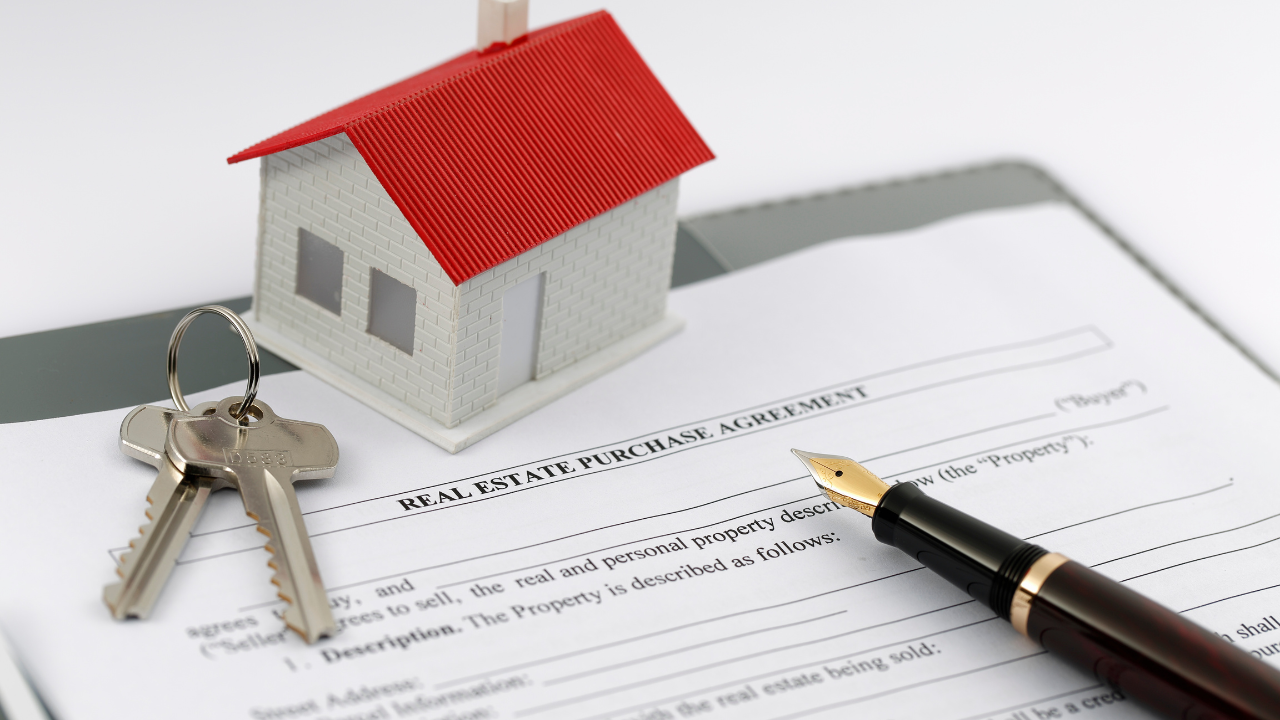
What a Home Sale Contingency Is
A home sale contingency makes the purchase dependent on the buyer selling, and usually closing on, their current home by a set date. If that sale does not happen in time, the buyer can typically cancel the contract and get their earnest money back.
Many of these buyers are move-up buyers or downsizers with significant equity in their current home. They are often strong, motivated buyers. They simply cannot carry two homes at once.
The Risks for You as the Seller
- Your sale depends on someone else's sale. If the buyer's home does not sell, your deal may fall apart weeks later.
- Lost time on the market. Fresh listings get the most attention. If your home is marked as under contract and the deal falls through, you may relaunch with less momentum.
- A longer timeline. Closing may take longer than with a buyer who is ready to go.
How to Protect Yourself
- Ask where the buyer's home stands. An offer from a buyer whose home is already under contract is far stronger than one whose home is not even listed yet.
- Review the buyer's listing. Is it priced realistically for its neighborhood? A well-priced home in a strong area is much more likely to sell on time.
- Keep your home on the market. Many contingent contracts allow the seller to keep marketing the home and accept a backup offer. If a stronger offer arrives, the first buyer gets a set period to remove the contingency or step aside. Your agent can explain how this works in the Central Ohio purchase contract.
- Set firm deadlines. A reasonable deadline for the buyer's home to go under contract and close protects you from an open-ended wait.
- Get a strong preapproval. Ask for a lender letter that confirms the buyer qualifies once their current home sells.
When It Makes Sense, and When It Does Not
- It can make sense if your home has been on the market for a few weeks, the buyer's home is already listed or under contract, and the price and terms are strong.
It may not make sense in your first days on the market, when you are likely to attract non-contingent buyers, or if the buyer's home is overpriced or not yet listed.
Bottom Line
With fewer buyers writing offers this fall, an offer contingent on the buyer's home sale deserves real consideration rather than an automatic no. Check the status of the buyer's home, keep your home on the market for backup offers, and set firm deadlines. Structured well, a contingent offer can be a path to a solid sale.
Margaret Lipp | REMAX Premier Choice
Serving Upper Arlington, Dublin, Worthington, Clintonville, Hilliard, Powell, Grandview, and all Central Ohio communities
Data source: Columbus REALTORS® Central Ohio Housing Report, September 2026 (released October 13, 2026), based on Columbus & Central Ohio Regional MLS residential data. This post is general information, not legal advice. Contract terms vary; review your purchase contract and consult a real estate attorney with legal questions.