
This is paragraph text. Click it or hit the Manage Text button to change the font, color, size, format, and more. To set up site-wide paragraph and title styles, go to Site Theme.
FAQ
COLUMBUS, OHIO
FAQ.
SELLER FAQs
What every seller should know before listing — so nothing catches you off guard.
Have More Questions? Reach out anytime — I'm here to guide you through every step of the process.
How do I know what my home is actually worth?

A Comparative Market Analysis (CMA) is the most accurate way to price your home before listing. Your agent will review recent sales of similar homes in your area, factoring in size, condition, location, and days on market. Online estimates like Zillow's Zestimate are based on algorithms and can be thousands of dollars off. A well-priced home from day one will attract more buyers and sell faster than a home that starts too high and has to chase the market down.
What should I do to get my home ready before listing?
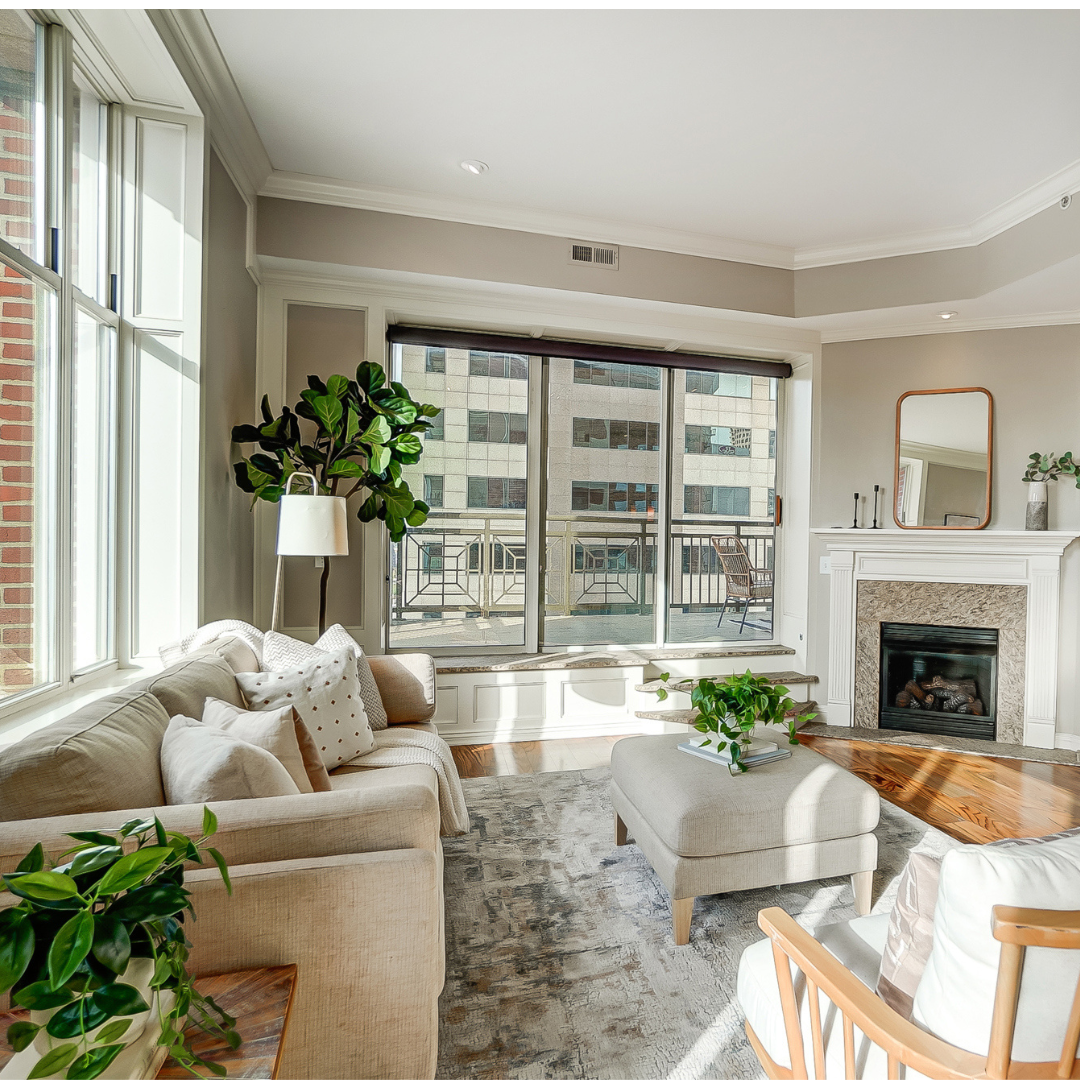
Pre-listing prep is one of the highest-return investments you can make. Declutter and depersonalize every room. Address any obvious deferred maintenance — leaky faucets, scuffed paint, broken windows. Deep clean everything, including windows. Your agent may also walk through with a staging eye to help you see the home the way a buyer will. In some cases having a pre-listing inspection may be a good option. This allows a seller to get ahead of possible repair issues which could come up during an inspection. A seasoned listing agent can walk you through the pros and cons to see if having one done would make sense.
Is staging really worth it?
Yes — consistently. Staged homes photograph better, show better, and often sell faster and for more money. Staging doesn't mean decorating to your taste; it means presenting the home so buyers can picture themselves living there. Even light staging — rearranging furniture, adding fresh linens, updating a few accessories — can make a measurable difference in how buyers respond.
How important are listing photos?

Listing photos are your home's first showing. The majority of buyers today start their search online, and if your photos don't stop the scroll, buyers may never schedule a showing. Professional photography — and in many cases, video or 3D tours — is not optional in today's market. Great photos don't just show a room; they tell a story and create a feeling that makes buyers want to walk through the door.
What is a seller credit and should I offer one?

A seller credit (sometimes called a concession) is money the seller agrees to contribute toward the buyer's closing costs at the time of closing. In the current market, where buyers are stretched thin by higher rates, offering a credit can make your home accessible to a larger pool of buyers — especially first-time buyers. Think of it as a tool to net the same amount while making your home more competitive.
Should I accept the first offer I receive?
Not always — but don't dismiss it either. A strong first offer, especially one that comes in quickly after listing, often reflects accurate pricing and genuine buyer interest. Your agent will help you evaluate the full picture: price, down payment, financing type, contingencies, and timeline. Sometimes the first offer is the best offer.
What happens if my listing sits on the market?
Days on market is one of the most watched metrics in real estate, by buyers and agents alike. The longer a home sits, the more buyers wonder what's wrong with it. If your listing isn't getting activity, it's usually a pricing issue, a marketing issue, or a presentation issue — and often some combination of all three. Your agent should be proactive about bringing a plan to the table before the home goes stale.
What is dual agency and what are the risks?
Dual agency occurs when one agent (or one brokerage) represents both the buyer and the seller in the same transaction. While it can be legal and disclosed, it limits the depth of advocacy either side receives. Your listing agent's job is to get you the best price and terms. If they are also representing the buyer, that role becomes complicated. Know what you're agreeing to when you sign off on dual agency disclosure.
What is a private listing and how could it affect me?
Private listings — sometimes called office exclusives or off-market listings — are homes sold without full exposure on the MLS. While there can be legitimate reasons to go this route, sellers should understand the trade-off: less exposure typically means fewer buyers, fewer competing offers, and potentially a lower sale price. In most cases, maximum market exposure is in the seller's best financial interest.
What should I expect from listing to closing?
Once you’re under contract, the process typically takes 30–45 days. During that time, the buyer will complete their inspection period, secure their financing (the appraisal is ordered by the lender), and work with a title company to clear any title issues. You’ll be asked to make agreed-upon repairs, respond to any lender-required fixes, and prepare to move out by the closing date. Clear communication with your agent throughout keeps the transaction on track. Note that this timeline can be significantly shorter if the buyer is paying cash — cash transactions have no financing contingency or lender appraisal requirement, which can allow closing in as few as 10–14 days depending on how quickly inspections and title work are completed.
BUYER FAQs
Answers to the questions buyers ask most — so you can move forward with confidence.
Have More Questions? Reach out anytime — I'm here to guide you through every step of the process.
Do I really need a pre-approval before I start looking at homes?

Yes — and getting pre-approved before you fall in love with a home protects you. Without a pre-approval letter, sellers may not take your offer seriously, especially in a competitive market. Pre-approval also gives you a clear budget so you don't waste time looking at homes outside your range. Your lender will review your credit, income, and assets and issue a letter that makes your offer credible from day one.
What's the difference between pre-qualification and pre-approval?
Pre-qualification is a quick, informal estimate of what you may be able to borrow — no documentation required. Pre-approval is a deeper review where the lender verifies your income, credit, and assets. Sellers expect pre-approval, not just pre-qualification. In today's market, showing up without a true pre-approval can cost you the house.
I see homes listed as 'Contingent.' Can I still make an offer?
A contingent listing means the seller has accepted an offer, but the deal is still tied to conditions — like the buyer selling their current home or completing inspections. In many cases, sellers will still accept backup offers. Your agent can reach out to learn the status and position you as the next in line. Contingent does not mean gone.
What is a buyer brokerage agreement and do I have to sign one?

A buyer brokerage agreement is a contract that formalizes your relationship with your agent and outlines how they will be compensated. Since recent industry changes (effective August 2024), agents are required to have a signed agreement before showing homes. Think of it like a listing agreement — but for buyers. It protects you by ensuring your agent is fully committed to representing your interests.
How do I know what to offer on a home?
Your agent will pull comparable sales (comps) in the area to help you understand the home's true market value. Factors like days on market, condition, and competing offers all influence the right number. The goal is to make an educated offer — not an emotional one. Your agent will walk you through the data so you feel confident about the price you're putting in writing.
What happens during the inspection period?

After your offer is accepted, you'll hire a licensed home inspector to evaluate the property's condition — roof, foundation, HVAC, plumbing, electrical, and more. The inspection gives you a full picture of what you're buying. You can then negotiate repairs, request a price reduction, or — if major issues are uncovered — choose to walk away within the contract's inspection contingency window.
What should I watch out for with HOAs?
If the home is in a neighborhood with a homeowners association, review the HOA documents carefully before you close. Look at the monthly dues, any special assessments that have been levied or are pending, the reserve fund balance, and the rules that govern what you can do with the property. Some HOAs have strict restrictions on rentals, pets, and exterior changes. Know what you're agreeing to before you sign.
What is wire fraud and how do I protect myself?
Wire fraud is one of the fastest-growing scams in real estate. Hackers intercept emails between buyers, agents, and title companies and send fake wiring instructions that redirect your closing funds to a fraudulent account. Always verify wiring instructions by calling your title company directly using a phone number you look up independently — never from an email. Once funds are wired to a scammer, they are almost impossible to recover.
What are common home-buying myths I should know about?
A few big ones: You do not always need 20% down. Many loan programs allow 3–5% down, and some VA or USDA loans require nothing down. You do not have to wait for the 'perfect time' to buy — timing the market is nearly impossible, and waiting often costs more in the long run. And no, Zillow's 'Zestimate' is not an appraisal — it's an algorithm that can be significantly off from a home's true value.
What is a final walk-through and when does it happen?
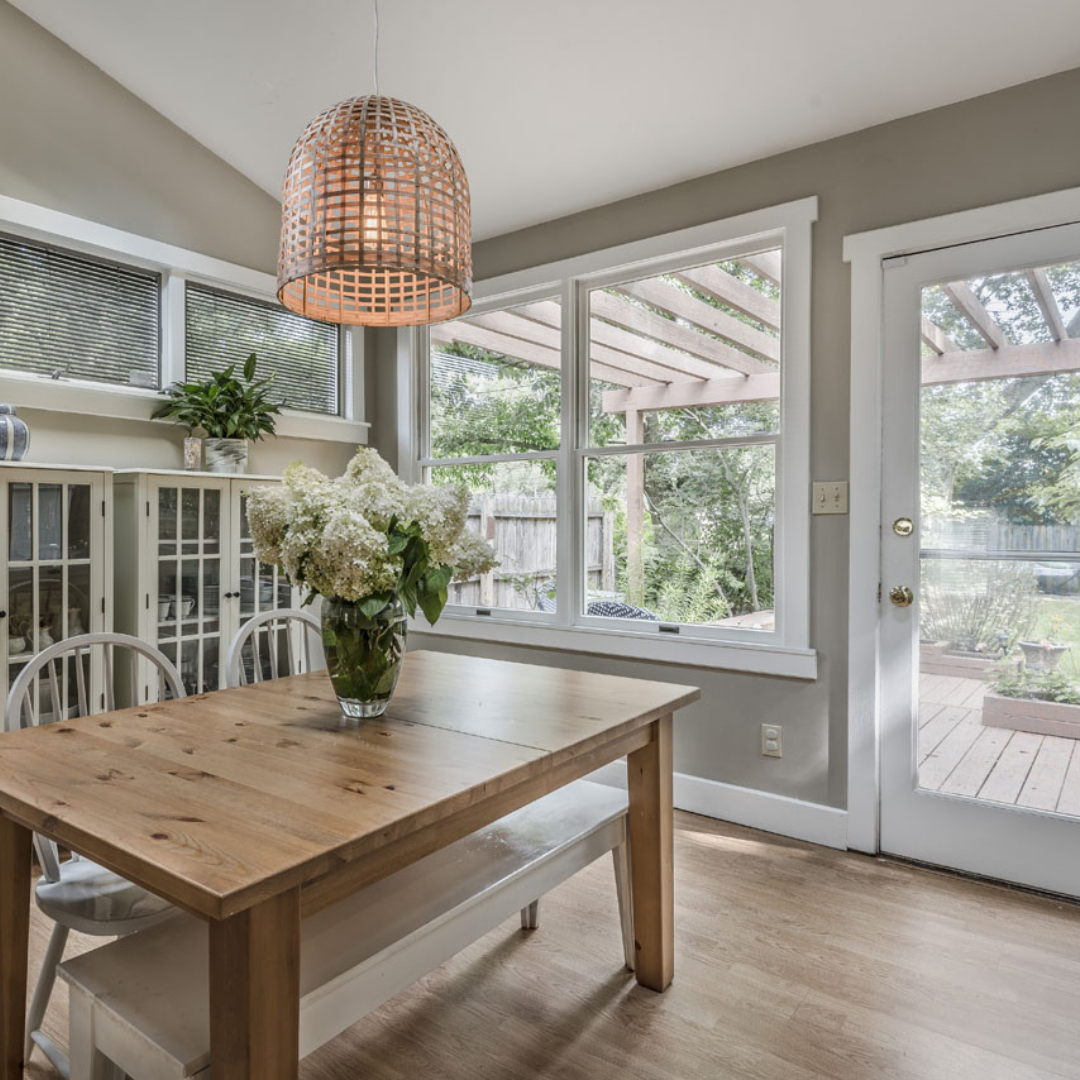
The final walk-through typically happens 24–48 hours before closing. It's your chance to confirm the home is in the same condition as when you made your offer, that any agreed-upon repairs were completed, and that the sellers have moved out and left nothing behind. It's not a second inspection — it's a confirmation that everything is as agreed.