
Radon in Central Ohio Homes: What Buyers, Sellers, and Homeowners Should Know
Radon in Central Ohio Homes: What Buyers, Sellers, and Homeowners Should Know
Radon is a colorless, odorless radioactive gas that comes from the natural breakdown of uranium in soil and rock. It can seep into homes through cracks in foundations and basement floors, and the only way to know your level is to test.
According to the Ohio Department of Health, elevated indoor radon has been found in homes in every Ohio county, and roughly 50% of homes tested in Ohio each year have elevated levels. With winter approaching, when windows stay closed, it is a good time to learn the basics.
Why It Matters
- The U.S. Surgeon General has warned that radon is the second leading cause of lung cancer in the United States.
- It is the leading cause of lung cancer among people who have never smoked.
- The EPA recommends taking action to lower radon if the average level in a home is 4 picocuries per liter (pCi/L) or higher.
How Testing Works
- A radon test must run for at least 48 hours, and it measures the average level over that time.
- ODH recommends hiring an Ohio licensed radon tester. Homeowners can test themselves but must follow Ohio testing protocols.
- ODH recommends retesting if the last test is two or more years old, or if you have replaced windows, insulation, the roof, exterior doors, or the HVAC system since then.
If Levels Are High
- A mitigation system, typically a fan and vent pipe that draws radon from beneath the house and vents it outside, can significantly reduce levels.
- Mitigation contractors in Ohio must be licensed by the Ohio Department of Health. You can find licensed testers and contractors on the ODH Radon Licensure map.
- ODH notes that installing a system in an existing home can cost $2,000 or more.
- Retest within 30 days after installation, at least 24 hours after the system starts running, and then at least every two years.
Radon in Real Estate Transactions
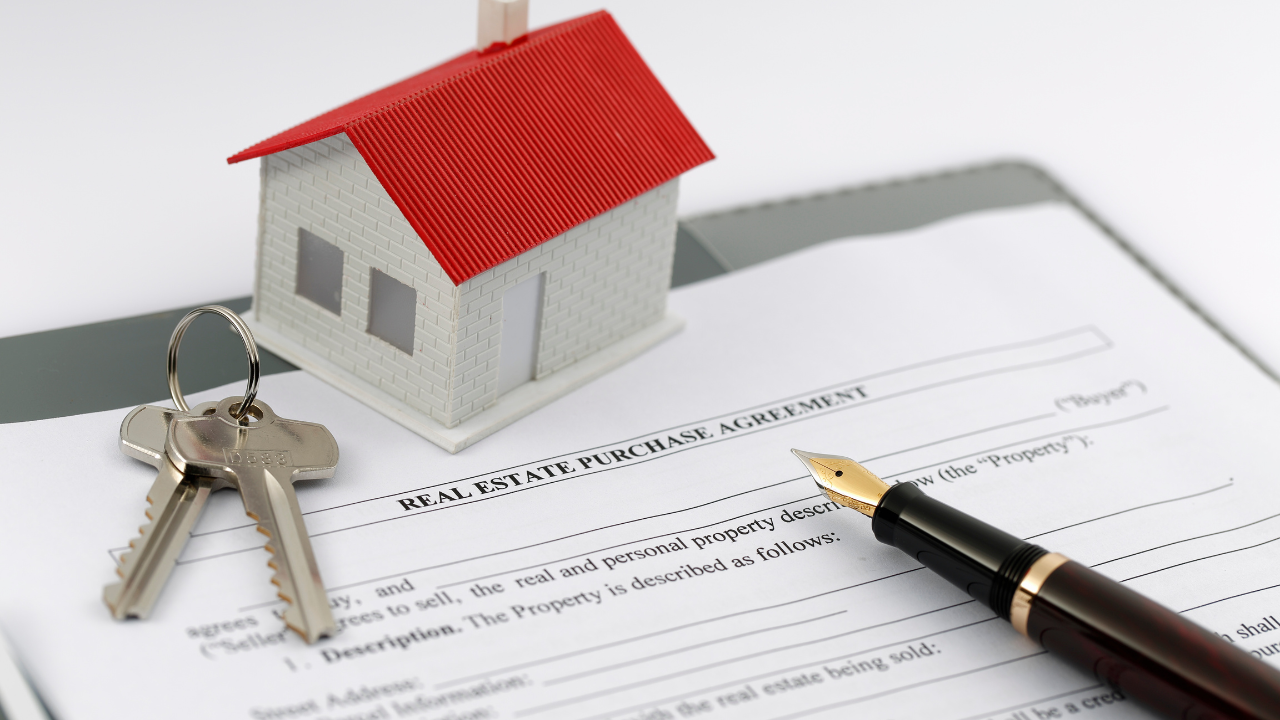
- Buyers: ODH recommends testing before you buy. Many Central Ohio buyers add a radon test to their home inspection. Do not rely on a seller's past results unless the test followed Ohio protocols.
- Sellers: ODH recommends testing before you sell. Elevated results should be disclosed, and installing a mitigation system before listing can head off a negotiation later.
- Homes with existing systems: Check that the fan is running and ask for the most recent post-mitigation test results.
Bottom Line
Radon is common in Ohio, with about half of tested homes showing elevated levels, but it is easy to test for and fixable. Test with a licensed tester, act if your average is 4 pCi/L or higher, and use a licensed mitigation contractor. Buyers and sellers alike benefit from knowing the number before a deal is on the line.
Margaret Lipp | REMAX Premier Choice
Serving Upper Arlington, Dublin, Worthington, Clintonville, Hilliard, Powell, Grandview, and all Central Ohio communities
Source: Ohio Department of Health, Bureau of Environmental Health and Radiation Protection, radon booklet (May 2024), and ODH Radon Education and Licensing Program. This post is general information, not medical or professional advice. Consult a licensed radon professional about your home.